
August 04, 2025
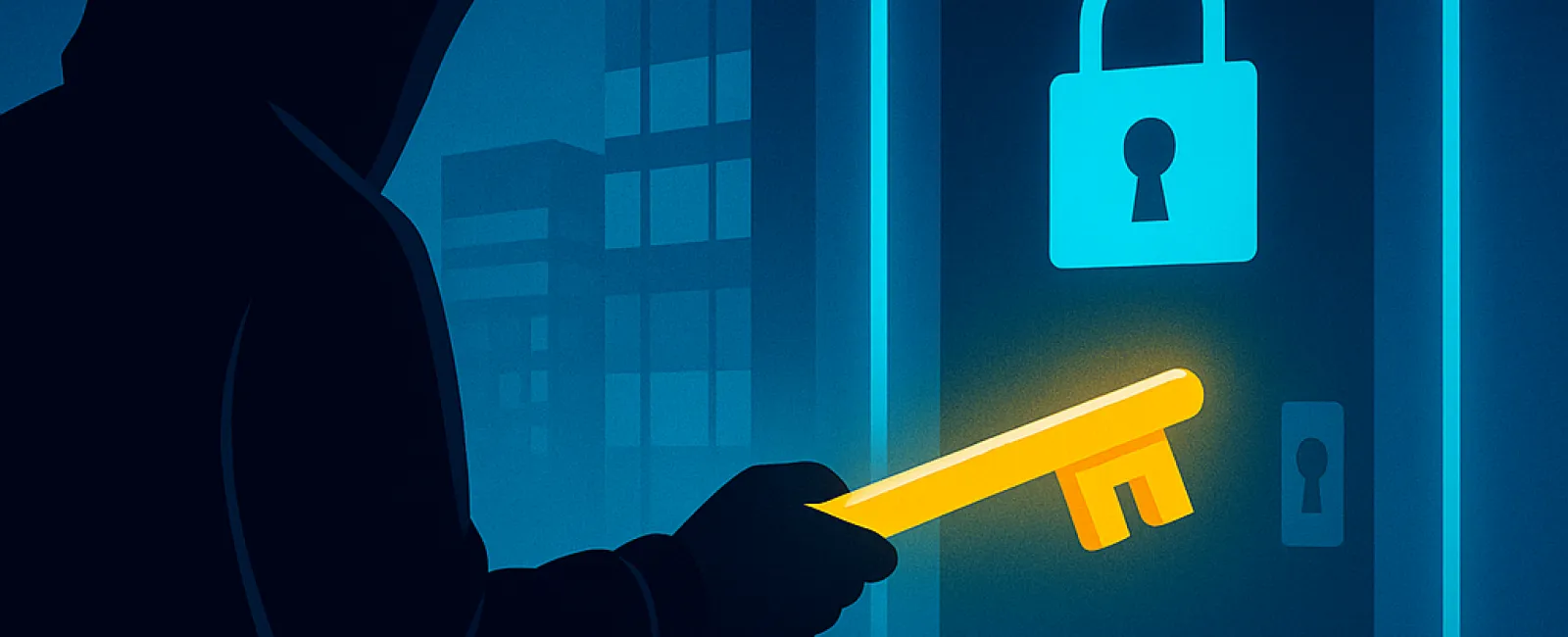
Cybercriminals have evolved their tactics to target small businesses more effectively. Instead of forcefully breaking in, they stealthily enter by stealing your most valuable asset: your login credentials.
This method, known as identity-based attacks, is now the leading technique hackers use to breach systems. They capture passwords, deceive employees through sophisticated phishing emails, or bombard users with repeated login attempts until one slips up. Sadly, these methods are proving highly effective.
According to a recent cybersecurity report, 67% of major security incidents in 2024 originated from compromised login credentials. High-profile companies like MGM and Caesars faced similar breaches last year—underscoring that small businesses are just as vulnerable.
How Are Hackers Gaining Access?
These breaches often begin with simple password theft, but attackers are employing increasingly sophisticated strategies:
· Deceptive emails and counterfeit login pages that trick employees into revealing sensitive information.
· SIM swapping techniques that intercept 2FA codes sent via text messages.
· Multifactor Authentication (MFA) fatigue attacks that flood a user's phone with approval requests, hoping for an accidental acceptance.
Attackers also target personal employee devices or third-party vendors like help desks and call centers to find entry points.
Effective Steps to Secure Your Business
Here's the good news: protecting your company doesn't require advanced technical skills. Implementing these strategies can greatly enhance your security:
1. Enable Multifactor Authentication (MFA)
Add an essential layer of defense by requiring multiple verification steps at login. Prefer app-based or security key MFA over text-based codes for stronger protection.
2. Educate Your Team
Your employees are your first line of defense. Train them to identify phishing attempts, suspicious emails, and unsafe requests—and create clear channels for reporting concerns.
3. Restrict Access Rights
Limit user permissions only to what's necessary for their roles. This minimizes potential damage if an account is compromised.
4. Adopt Strong Authentication Practices or Go Passwordless
Encourage the use of password managers or advanced authentication methods like biometric logins and security keys, which eliminate reliance on passwords.
Final Thoughts
Hackers focus relentlessly on stealing login information and keep refining their tactics daily. Keeping your defenses strong doesn't have to be a solo battle.
We're here to help you implement robust security solutions tailored to your business—making safety simple and effective for your whole team.
Wondering if your business is at risk? Let's connect. Click here or call us at 320-310-4321 to schedule your 15-Minute Discovery Call.


